Ferndale
"Funky Ferndale" — one of metro Detroit's most walkable downtowns, a fiercely welcoming, creative, anything-goes spirit, and the buzzy corner of Nine Mile and Woodward.
The story
Ferndale’s first identity was “Urbanrest” — a country escape where Detroiters came to breathe, back when this was all farmland and marsh. (The first tavern went up in 1821, which tells you something about local priorities.) When Henry Ford’s Highland Park plant started churning out Model Ts a few miles south, the farmland filled in fast with auto workers, and a trolley running up the median of Woodward connected it all to the city. Ferndale became a village in 1918 and a city in 1927.
Like a lot of inner-ring suburbs, its Nine Mile downtown boomed mid-century, then faded by the ’70s. The comeback is the good part: around 1997 the city narrowed Nine Mile to make it walkable, and the pedestrians — and the bars, restaurants, shops, and galleries — came right back. Along the way Ferndale became the heart of metro Detroit’s LGBTQ+ community and a proudly progressive, creative, come-as-you-are kind of place. Locals call it “Funky Ferndale,” and they’re not wrong. It’s the rare suburb with a genuine point of view — and it wears it well.
Did you know?
- Ferndale has the longest-running Memorial Day Parade in Michigan — over 100 years, and a young General Dwight D. Eisenhower marched in it back in the 1950s.
- The R&B legends The Spinners formed right here in Ferndale, and jazz great Ron Carter — one of the most-recorded bassists in history — was born here.
- Locals are officially “Ferndalians,” and the city motto is simply “Good Neighbors.” It tracks.
- The Rust Belt Market — a beloved open-air market of makers and vintage vendors — moved into a former Old Navy at Nine and Woodward. A very Ferndale move: take a dead big-box store and make it cool.
- In 2007, Ferndale elected the first openly gay mayor in Michigan, and Ferndale Pride has grown into one of the largest Pride festivals in the state.
Notable locals
For a city of under 20,000, Ferndale’s roster is loaded. The Spinners formed here; jazz icon Ron Carter was born here. There’s former Michigan Governor (and U.S. Ambassador to Canada) James Blanchard, actor Dana Elcar (MacGyver, The Sting), Cy Young-winning MLB pitcher Bob Welch, and Joseph Bruce — better known as Violent J of Insane Clown Posse. Eminem even keeps a recording studio in town. Governors to Juggalos — Ferndale contains multitudes.
Where to go in Ferndale
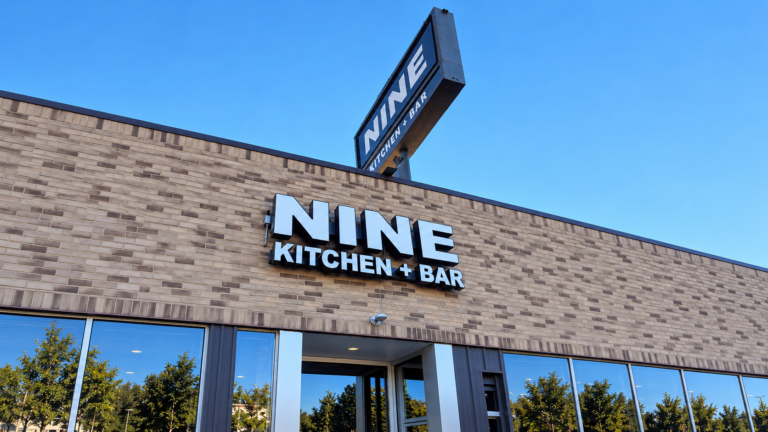
Nine Kitchen + Bar
Ferndale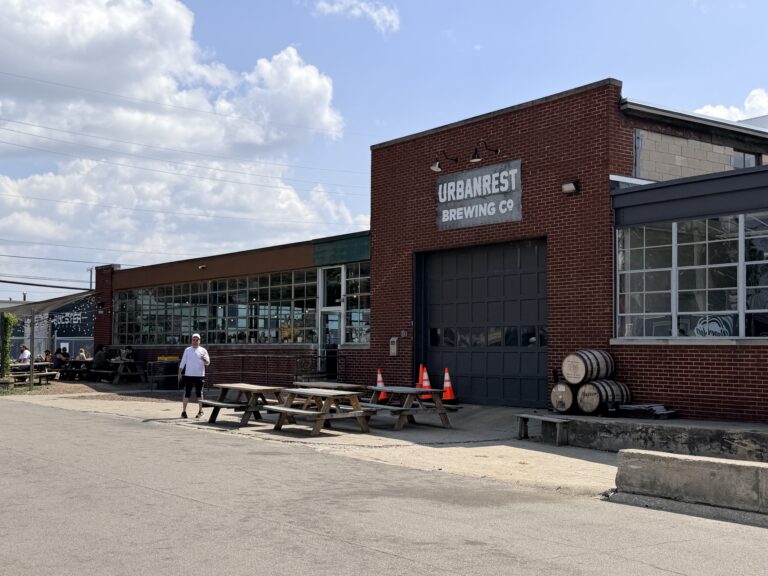
Urbanrest Brewing
Ferndale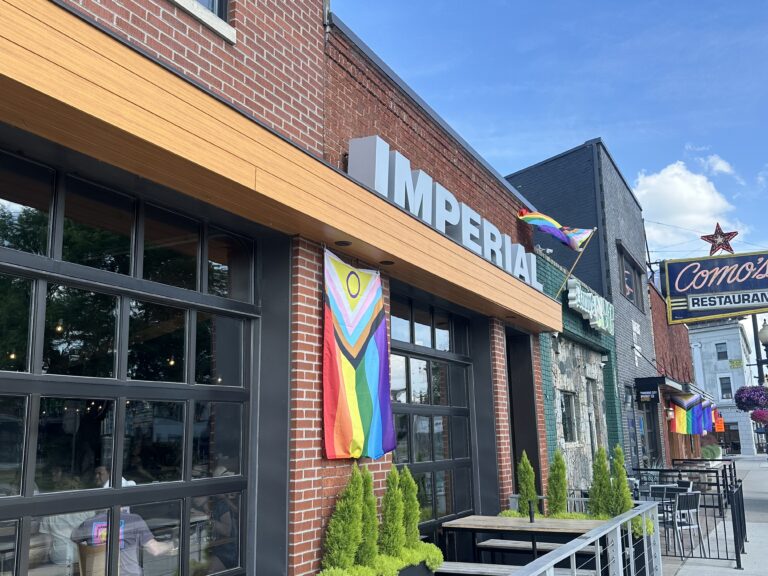
Imperial
Ferndale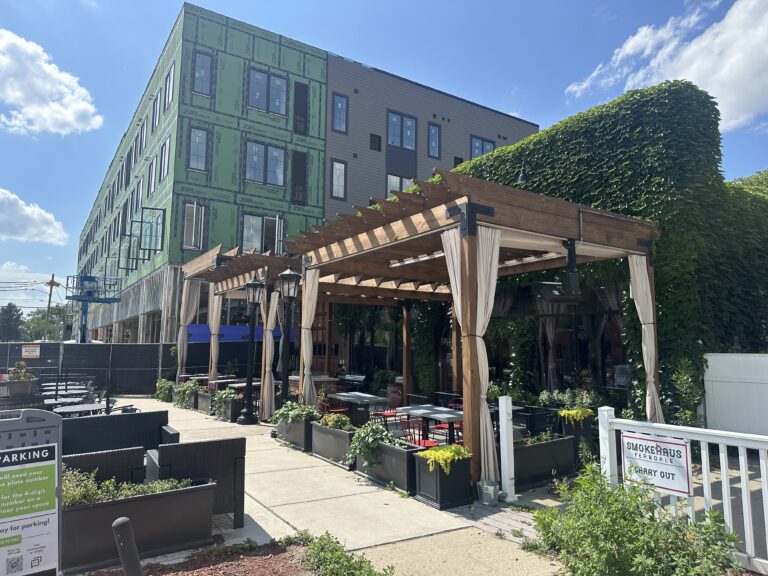
Belle’s Lounge by Valentine Distilling Co.
Ferndale
The Ringwald
Ferndale Go Comedy! Improv Theater
Ferndale
Voyager
Ferndale GreenSpace Café
Ferndale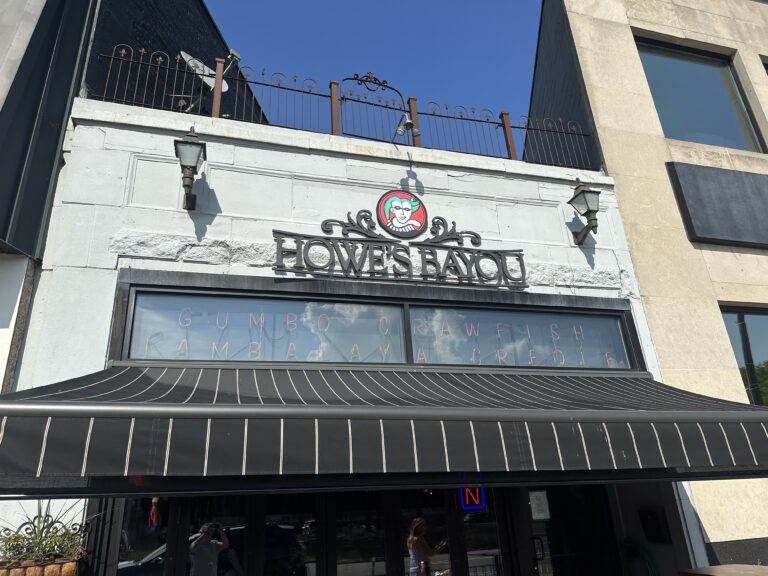
Howe’s Bayou
Ferndale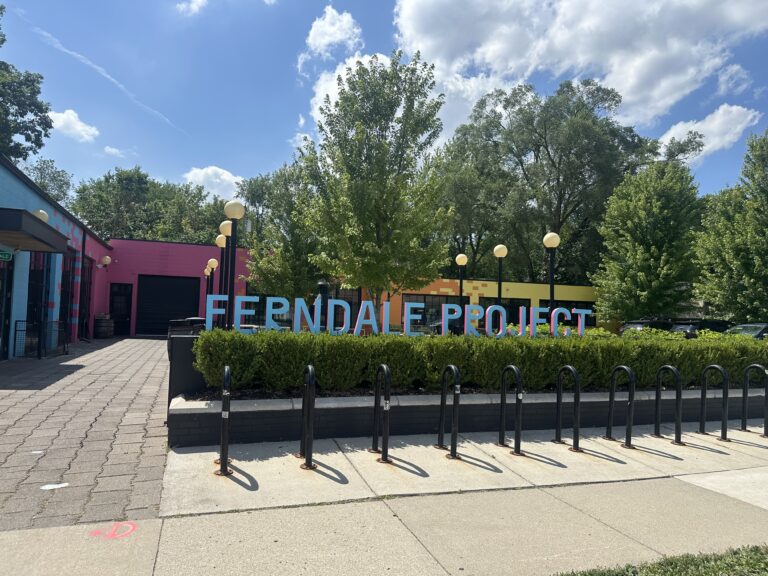
Ferndale Project
Ferndale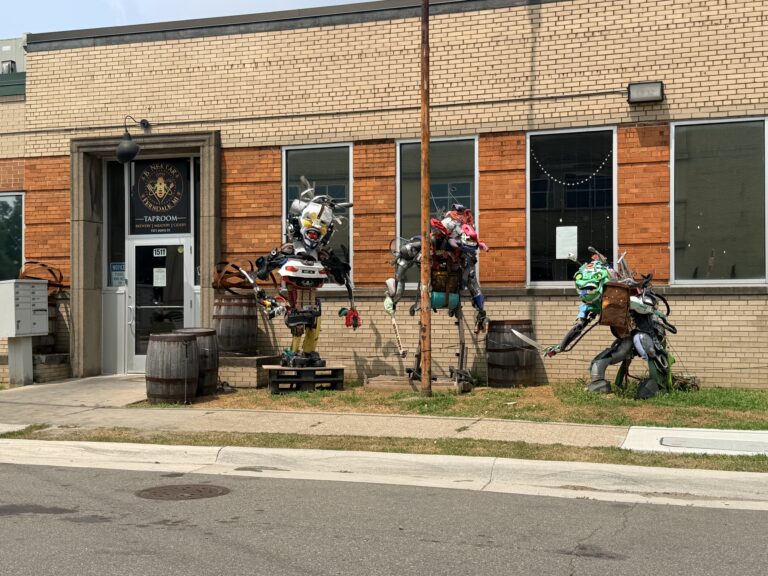
B. Nektar Meadery
Ferndale